
Jósika Castle
Castle home of Miklós Jósika, founder of Hungarian romantic novel.
Jósika Castle is a low-rise castle located in Surduc, a village in Sălaj County, Romania, on the left bank of the Someș River. It is historically significant as the residence of writer Miklós Jósika, founder of the Hungarian romantic novel, who lived and worked there between 1834 and 1853. The castle is also notable for being the site where Prince of Transylvania Francis II Rákóczi had a last lunch with László Csáky before the battle of Zsibó (present-day Jibou) on 15 November 1705.
- Location
- Surduc, Sălaj County, Romania
- Built
- 17th–18th century (curia turned into castle)
- Notable Resident
- Miklós Jósika (1794–1865), writer
- Historical Event
- Last lunch of Francis II Rákóczi before Battle of Zsibó (1705)
- Current Status
- Listed for sale in 2022 by Sotheby's International Realty
- Classification
- Historical monument of local importance
Lore & Background
Miklós Jósika, a Hungarian nobleman, retreated to Jósika Castle after his first failed marriage to Erzsébet Kállay. Between the castle walls, he wrote the historical novel Abafi, with his style likened to Scottish writer Walter Scott. The Jósika family, originating in the north of current Hunedoara County, contributed significantly to the castle's erection and final appearance. Miklós Jósika was the first nobleman in Transylvania to emancipate his serfs (primarily Romanians) from all lordly debts, labor, and tithes before the Hungarian Diet enacted such a law. Despite this, Romanian insurgents joined Captain Binder's Austrian forces in December 1848 and destroyed the castle, necessitating reconstruction in the 1880s. The tomb of his father and other relatives was looted, and their bones scattered.
Reader's Guide
Jósika Castle holds significance as both a literary landmark and a site of Transylvanian history. It was the home and workplace of Miklós Jósika, who is recognized as the founder of the Hungarian romantic novel and whose work Abafi drew comparisons to Sir Walter Scott. The castle also witnessed a pivotal moment in the Rákóczi War of Independence: Prince Francis II Rákóczi shared a last lunch with László Csáky there before the lost Battle of Zsibó in 1705. The castle's architecture includes a Z-shaped layout with two towers, a Prussian barrel vault, and a tempietto-like crypt built in 1825 for Miklós Jósika's father. After the communist regime transformed it into a station for mechanization of agriculture, many valuable pieces were destroyed or disappeared. The castle now belongs to the Agromec company and was listed for sale in 2022. Its legacy is preserved as a historical monument of local importance, though much of its original interior—including a rich library and family portraits—was destroyed in October 1944.
Did You Know?
- The castle's tempietto-like crypt, known as the 'baron's crypt,' was built in 1825 in memory of Miklós Jósika's father.
- Legend says the castle was built with stone from the nearby Roman castra of Tihău.
- Two stone lions that once guarded the castle entrance were moved in the late 1970s to the garden of Wesselényi Castle in Jibou.
- Miklós Jósika was the first nobleman in Transylvania to emancipate his serfs before the Hungarian Diet enacted such a law.
The Writer's Retreat and the Birth of a Literary Tradition
Between 1834 and 1853, Miklós Jósika (1794–1865) made this low-rise riverside castle his home and creative workshop. Having withdrawn here after a failed first marriage to Erzsébet Kállay, he devoted himself to writing and to revitalizing the surrounding estate, constructing farm buildings and a stud farm. Within these walls he composed Abafi, a historical novel whose narrative style drew comparisons to the Scottish novelist Walter Scott. His work is credited with establishing the Hungarian romantic novel as a recognized literary form. The 1854 family inventory records a seventeen-room building that included his dedicated office and a private chapel. His maternal grandmother had been a descendant of the Csáky family, the castle's earlier owners, which may have deepened his personal attachment to the place. The main salon held remarkable paintings, hand-carved furniture, and chandeliers noted for their elegance, creating an environment befitting a man shaping a national literary tradition.
Architecture and the Physical Landscape
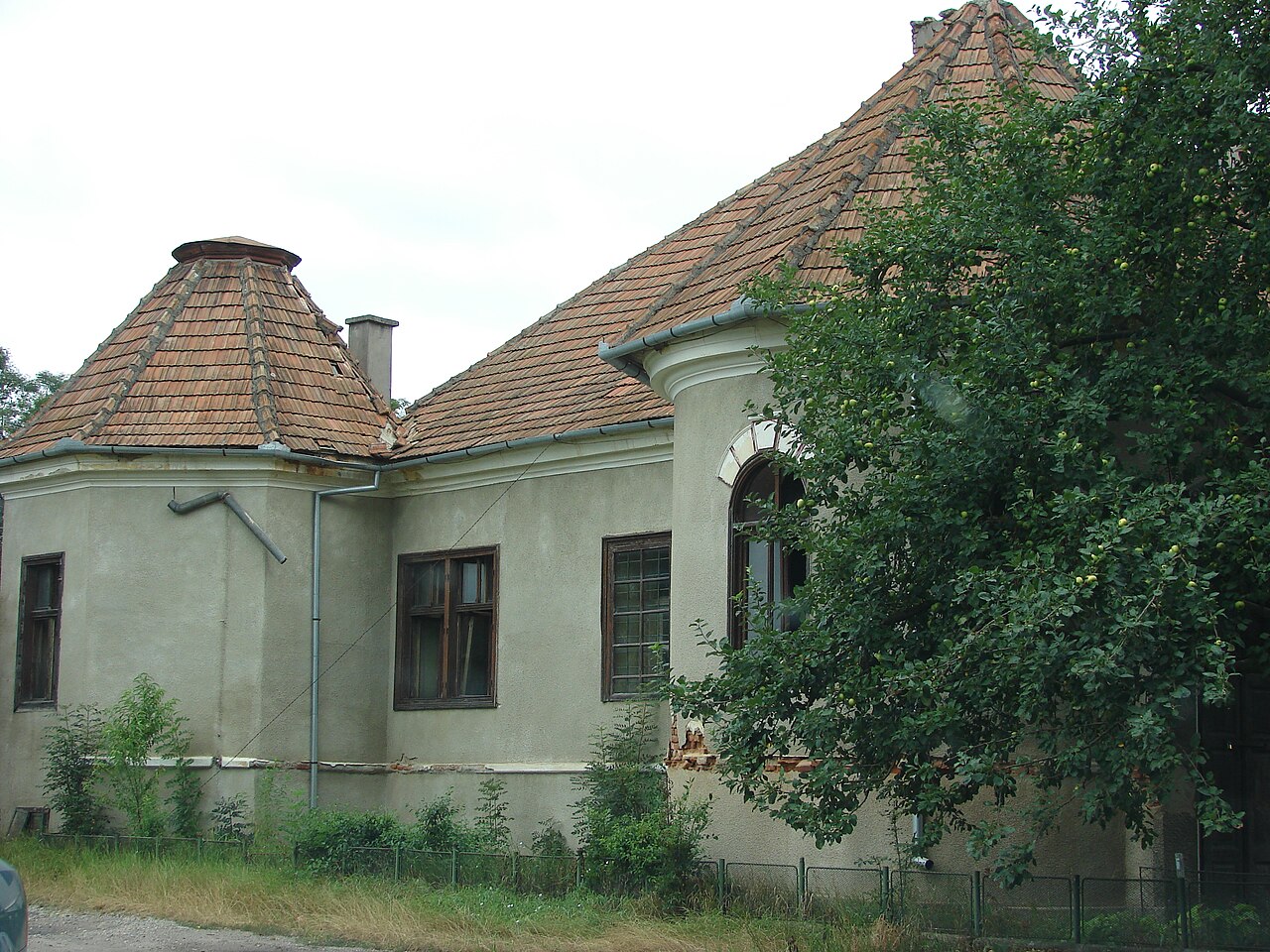
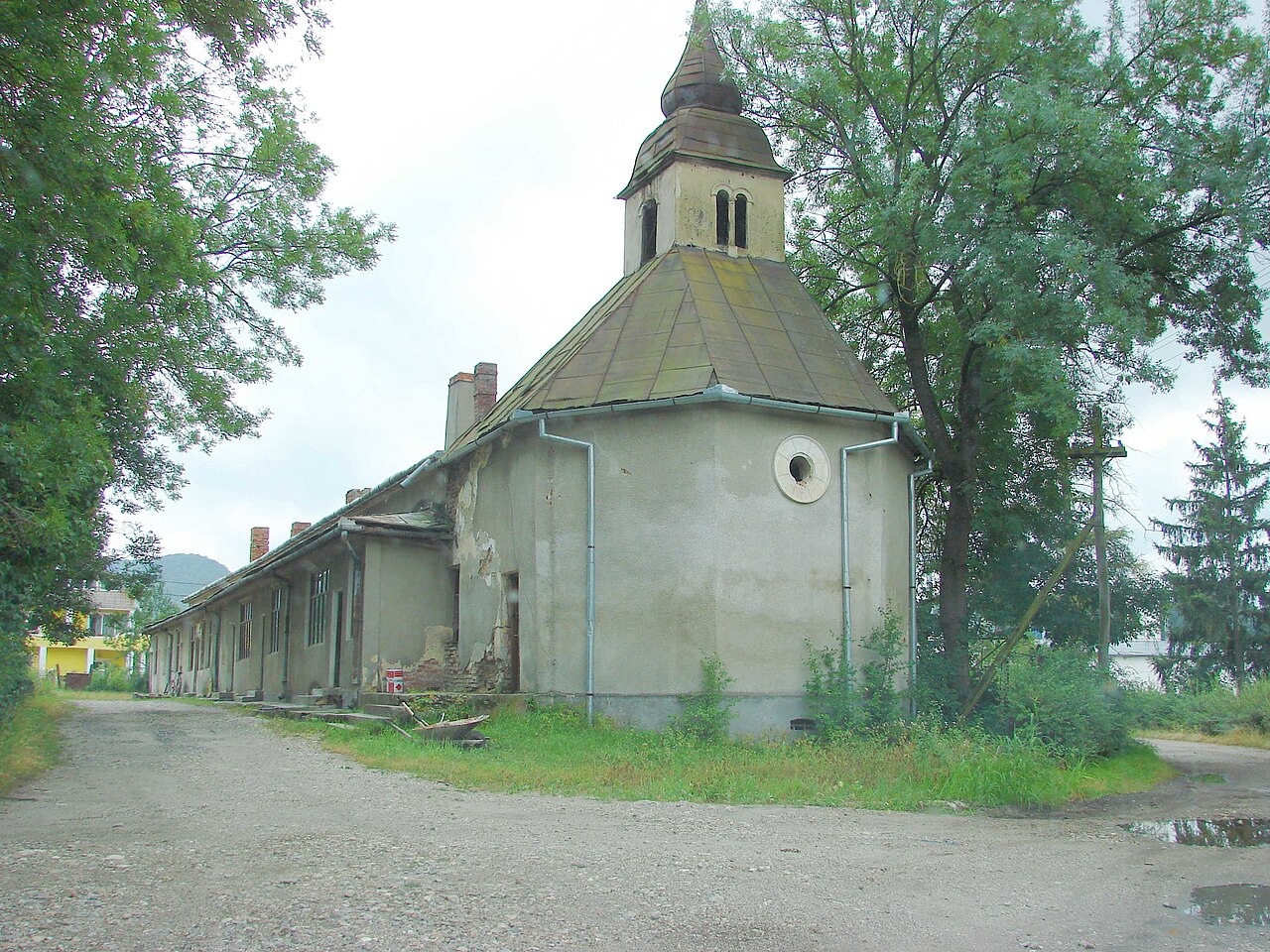
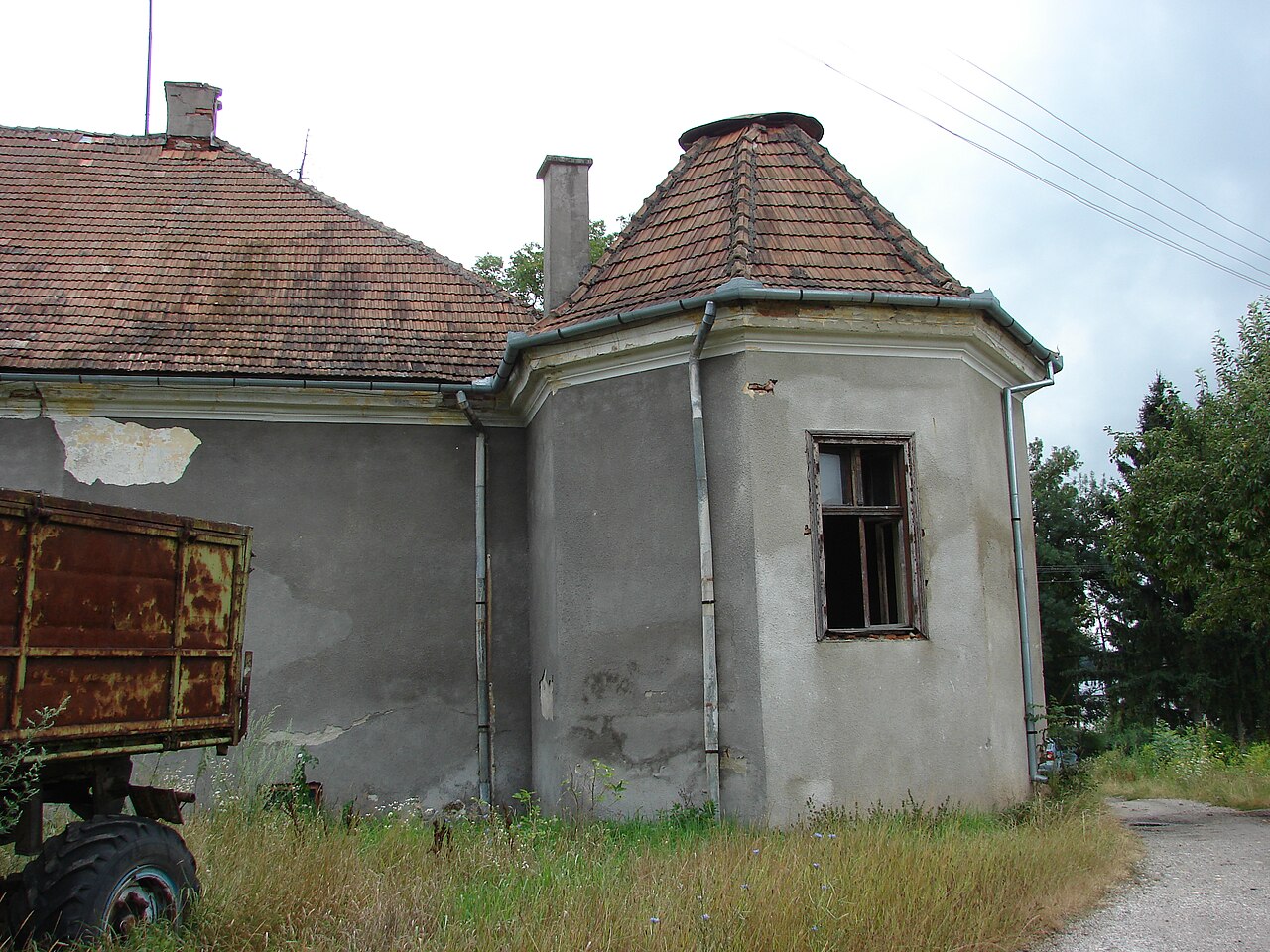
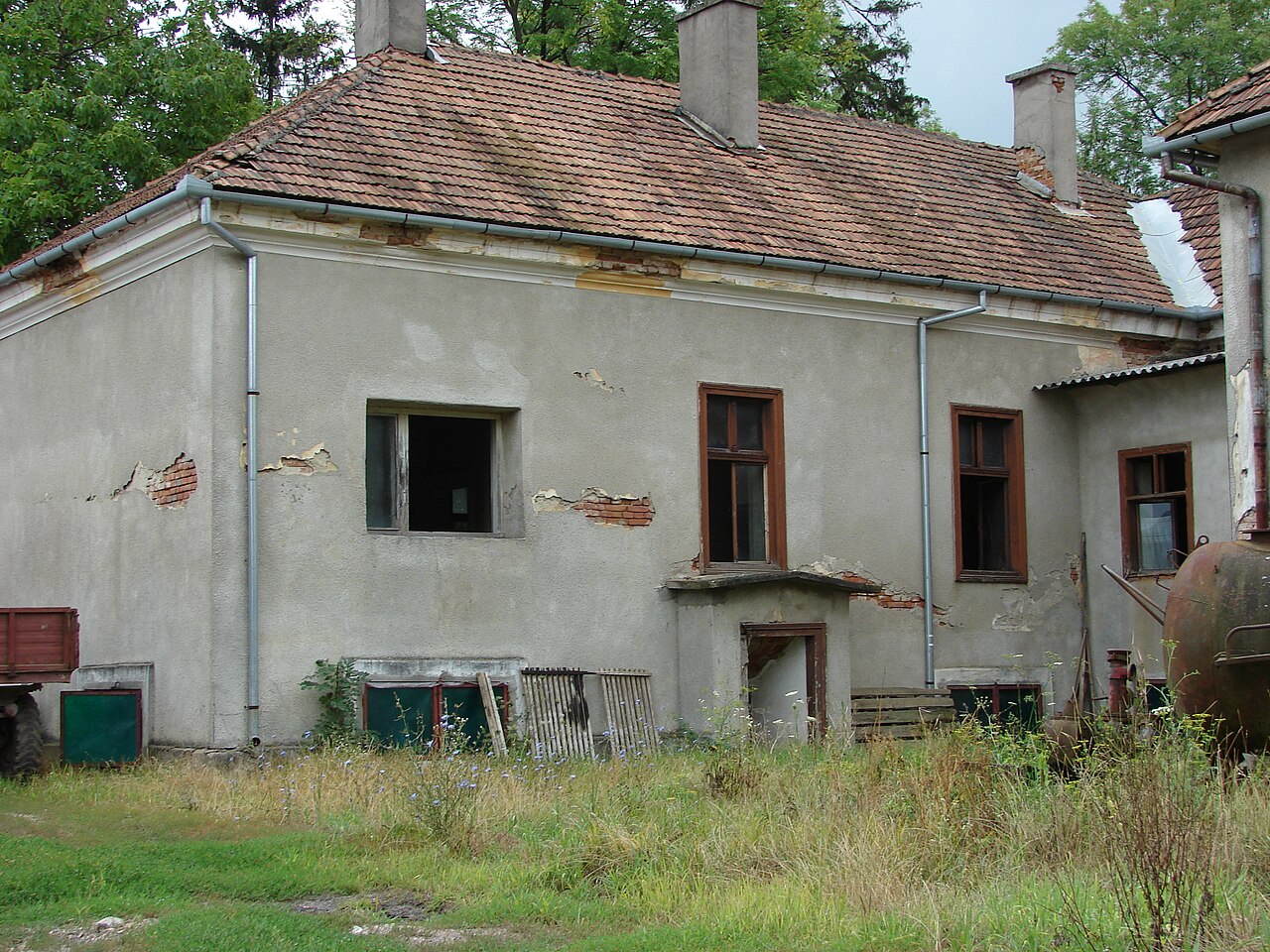
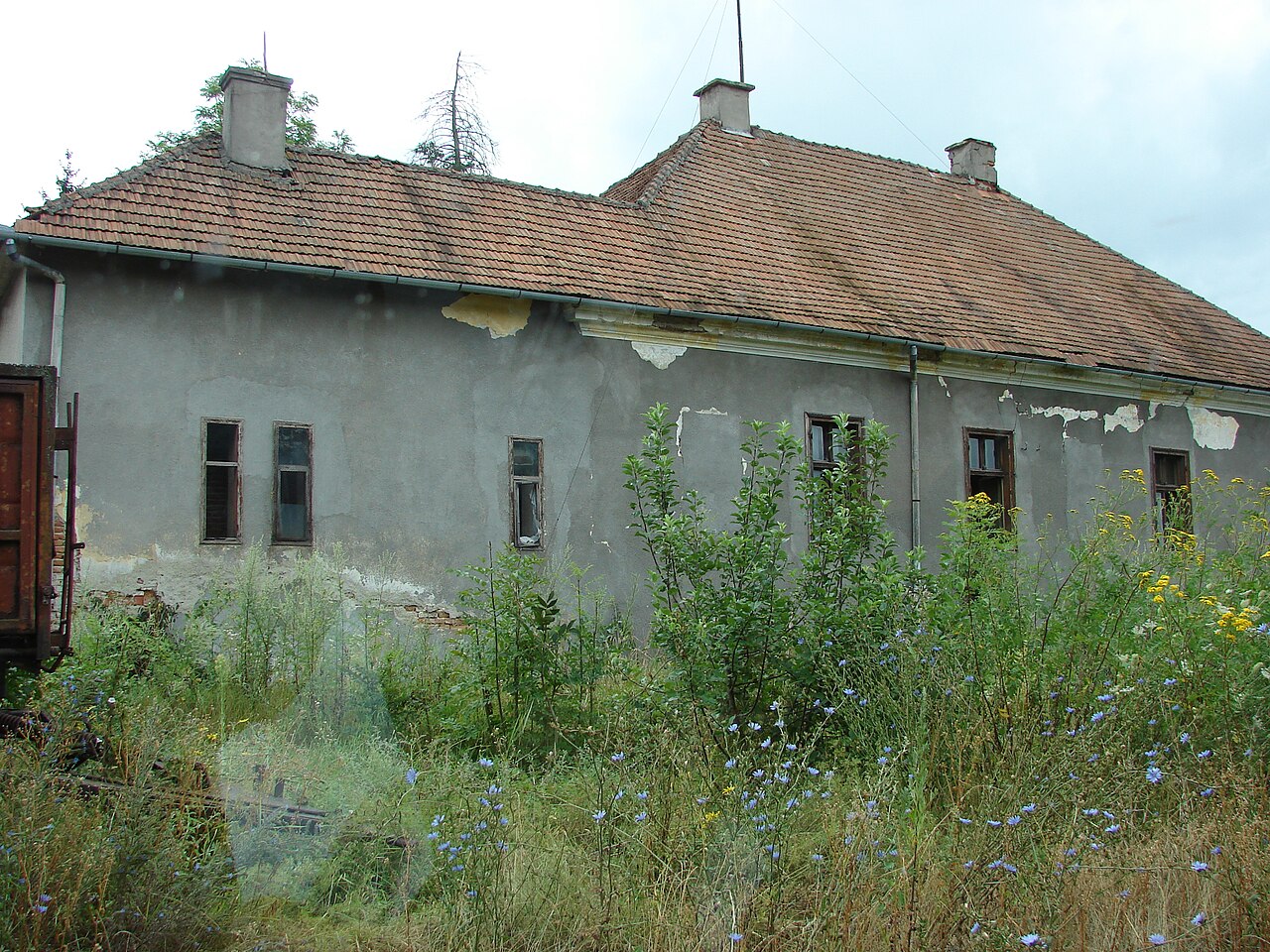
The castle is a relatively compact structure organized in a Z-shaped plan with two connected blocks, topped by a Prussian barrel vault and a basement level. Its western façade is anchored by two corner towers—one octagonal, the other circular. The circular tower houses the main entrance, sheltered by an ornate wrought-iron canopy, and contains a stone spiral staircase with a wrought-iron railing that leads up to the mezzanine. Semicircular door and window openings on the main façade remain intact, while the rear and side elevations are deliberately plain. The rear façade forms a U shape, with one wing shorter and narrower than the other, and some sections reflect later construction phases. Inside, a stucco-decorated ceiling adorns the northwestern corner tower, and an ornately framed wooden plaque sits in a niche by the entrance. The estate also featured a park with fountains and a statue of Maria Theresa, a baroque church along the main approach, and two stone lions guarding the entrance—lions that were relocated in the late 1970s to the garden of Wesselényi Castle in Jibou. A local legend holds that the castle was built using stone quarried from the nearby Roman castra of Tihău.
Wars, Revolt, and Repeated Destruction
The castle's history is marked by repeated episodes of violence and loss. In November 1705, Prince Francis II Rákóczi of Transylvania shared a final lunch with László Csáky within these walls before the battle of Zsibó (today's Jibou), where their forces were defeated by the Austrian imperial army under General Ludwig von Herbeville. Centuries later, in December 1848, despite Jósika having been the first Transylvanian nobleman to emancipate his serfs—primarily Romanian peasants—freeing them from all lordly debts, labor obligations, and tithes before the Hungarian Diet even passed such legislation, Romanian insurgents allied with Captain Binder's Austrian troops attacked and destroyed the castle. The bones of his father and other relatives were scattered from their tomb, and reconstruction was not completed until the 1880s. In October 1944, the castle's exceptionally rich library, family portrait gallery, and the personal memorabilia and albums of Miklós Jósika were destroyed. The crypt, built in 1825 in memory of Miklós's father, was looted of its three cast-iron coffins, two of which had windows.
Communist Era and the Question of Ownership
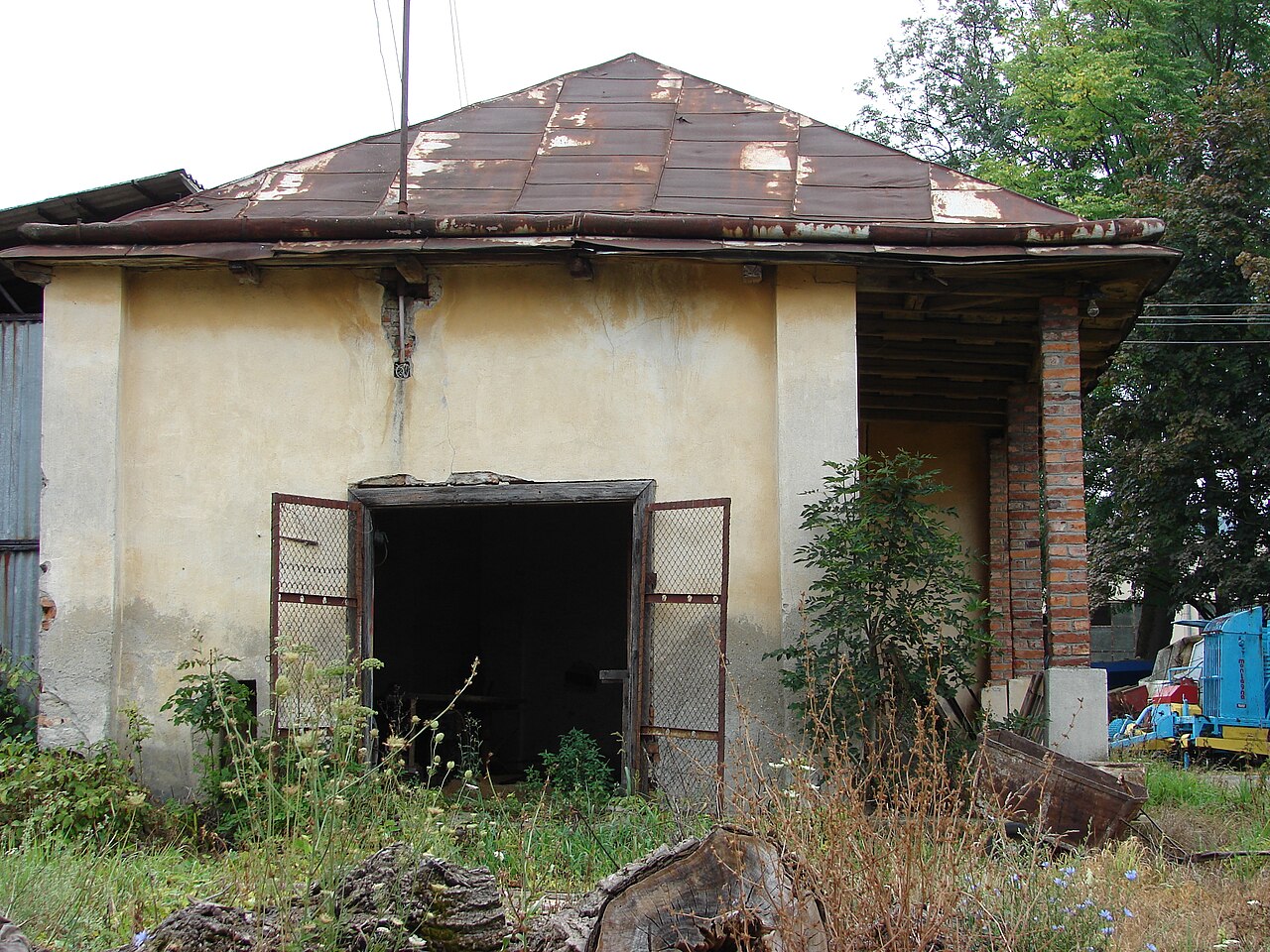
The arrival of the communist regime in Romania brought a profound devaluation of the castle's heritage. The building was converted into a station for the mechanization of agriculture (SMA), and many valuable items were lost or deliberately destroyed. The old ornate gate was replaced with a bulky concrete frame, and the former park was plowed into a vegetable garden. In 1991, the castle and its associated land passed to the Agromec company. Because the Jósika heirs did not pursue the return of the property, the castle was listed for sale in 2022 through Sotheby's International Realty at a price of 560,000 euros. The building retains its status as a monument of local importance on the list maintained by Romania's Ministry of Culture. The tempietto-like crypt, known locally as the "baron's crypt," still stands on a steep cliff at the village entrance from Jibou, bearing the 1828 inscription executed by sculptor Friedrich Hirschfeld of Debrecen. The structure's current condition—stripped of its former furnishings, its park gone, its gate replaced—stands in stark contrast to the hand-carved furniture, elegant chandeliers, and remarkable paintings that once filled its rooms.
Gallery
More in Castles in Romania 1-24
Spotted an error? Know more?
This is a living reference — every entry is fact-audited, and reader corrections feed straight into our audit queue. Suggest an edit · See this site's audit record