
Fortress of Deva
Medieval fortress atop a volcanic hill in Romania.
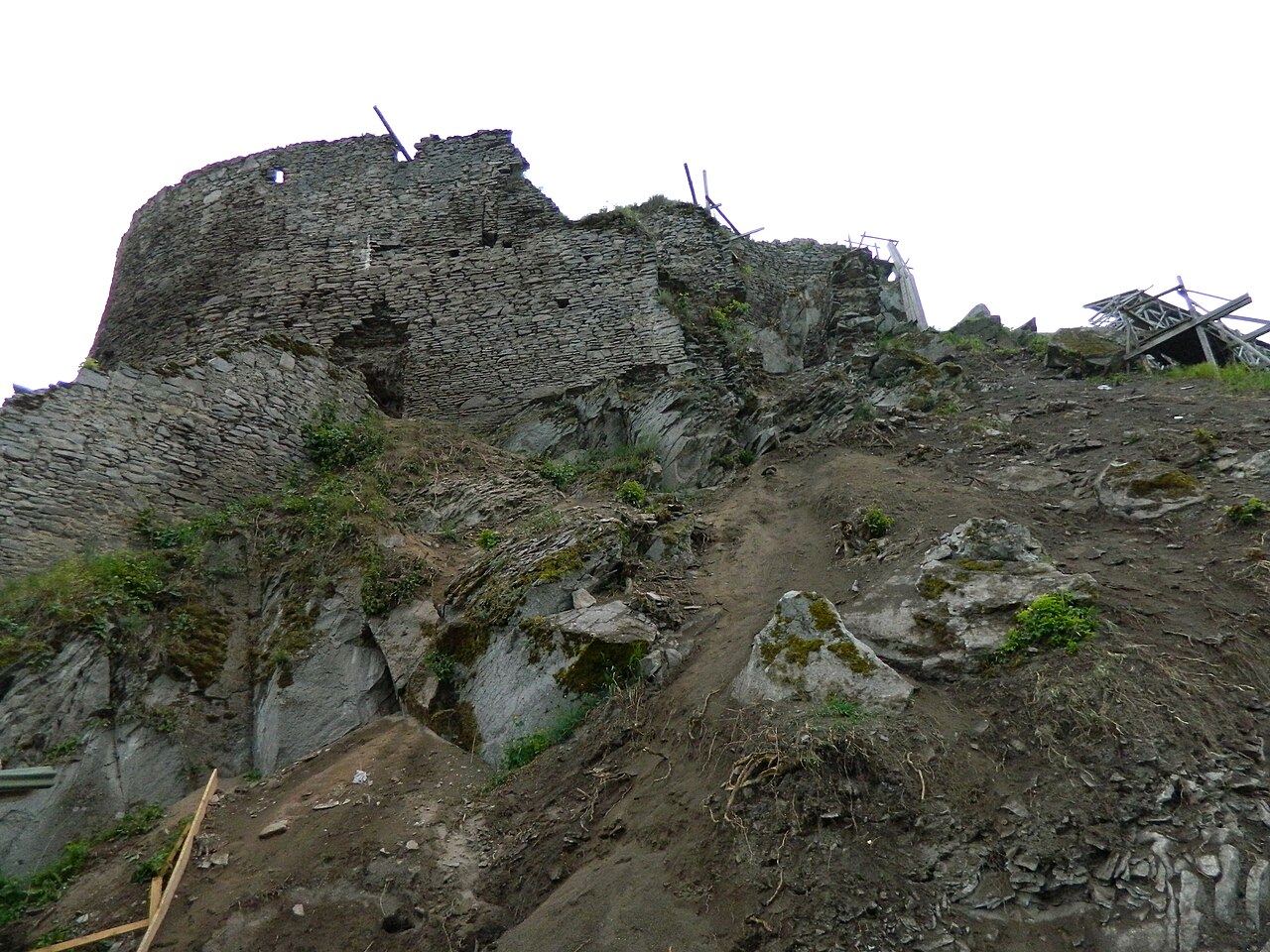
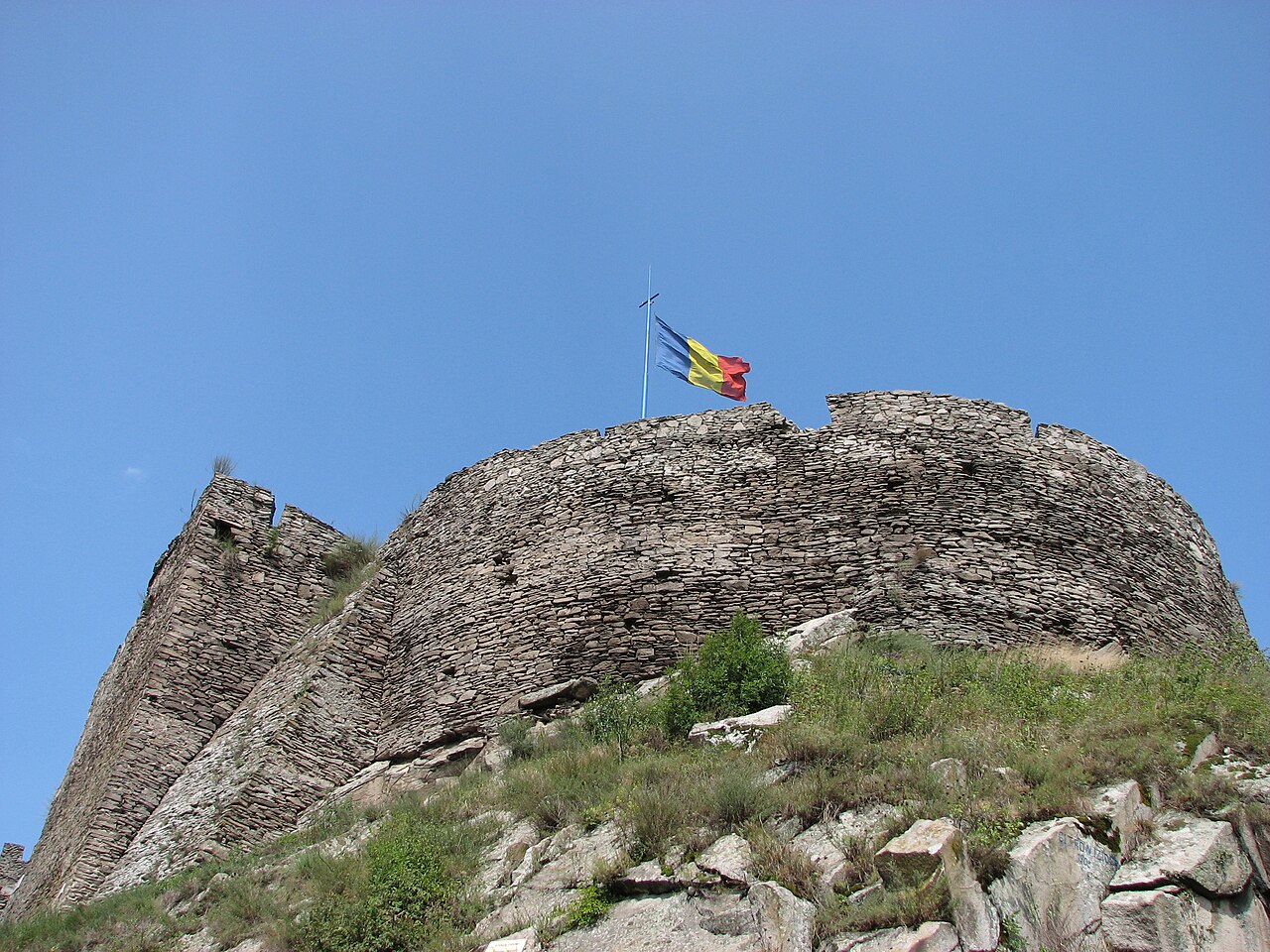
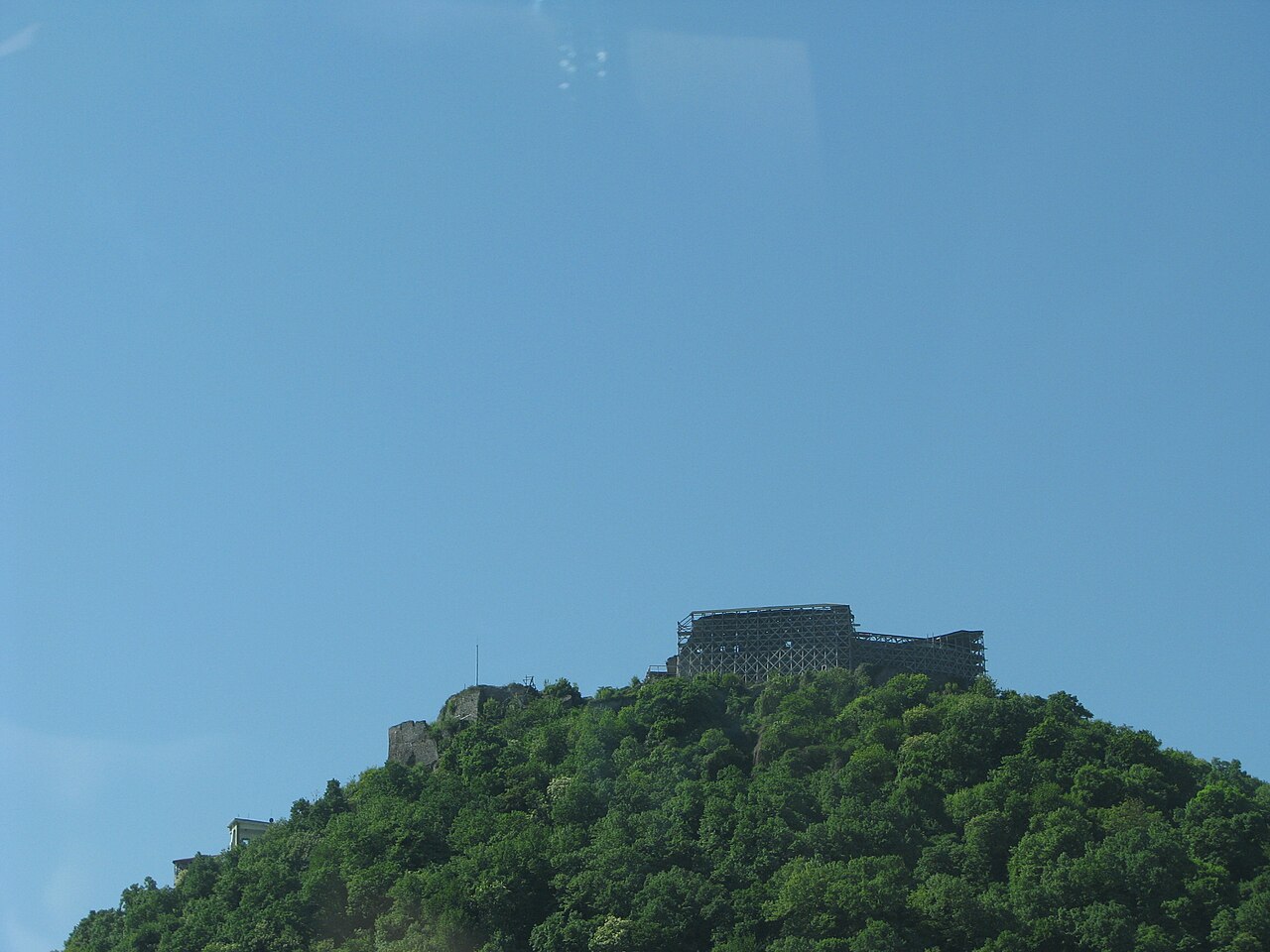
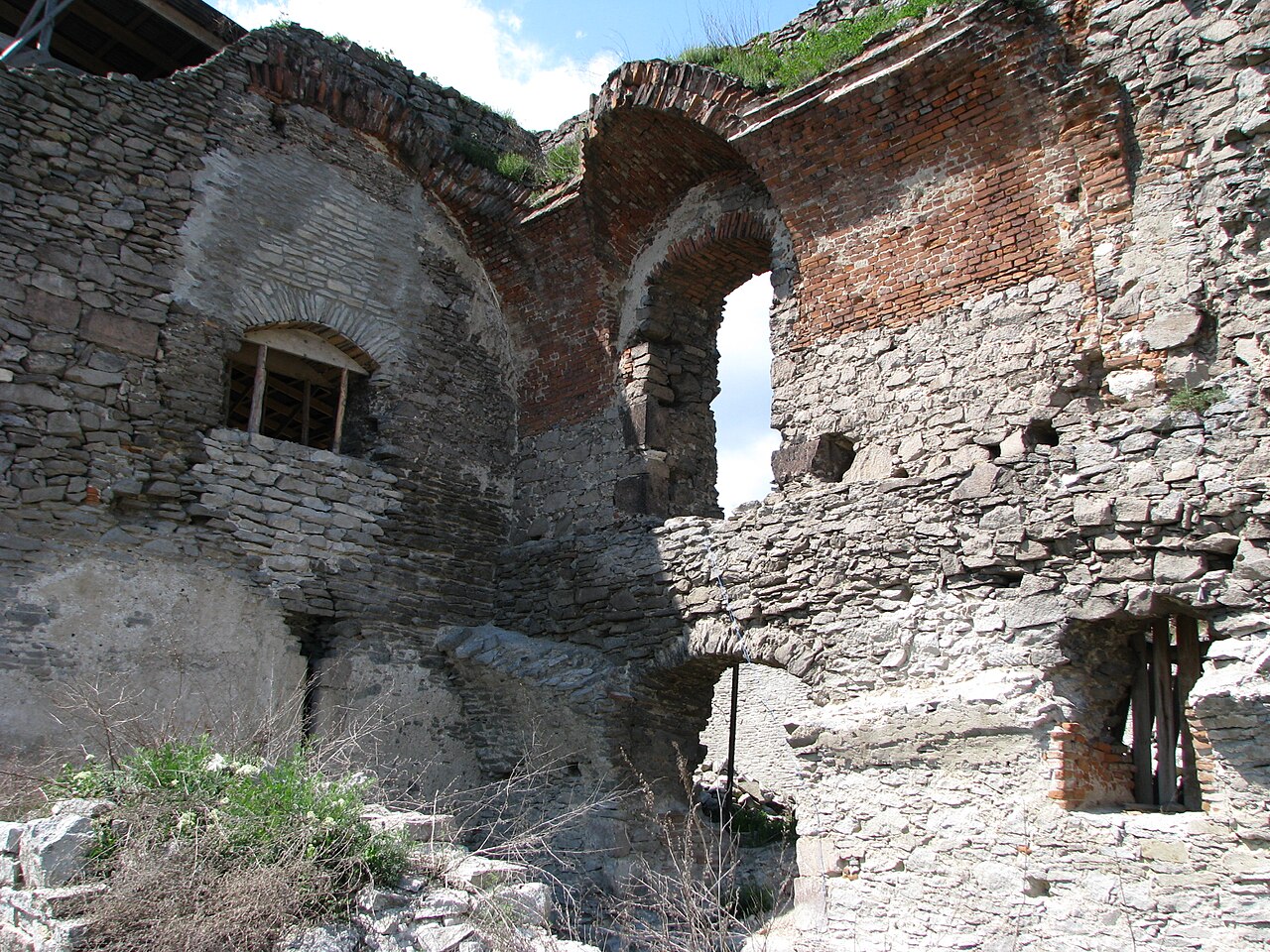
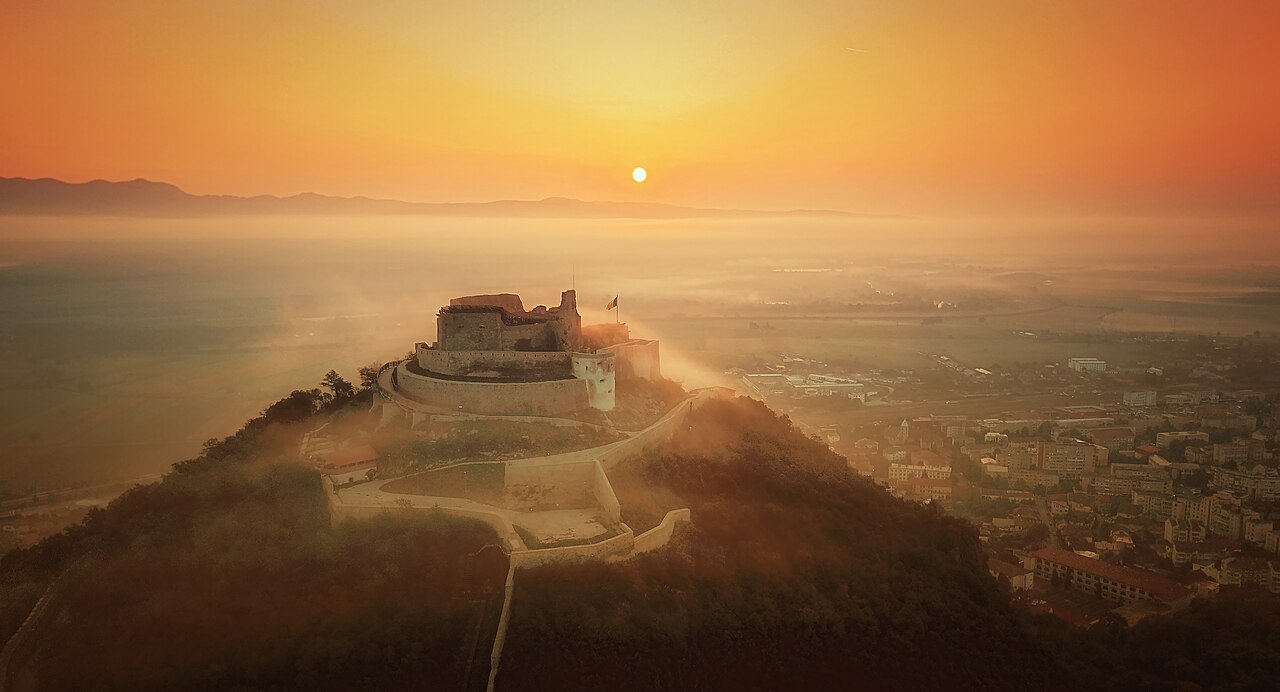
The Fortress of Deva (Romanian: Cetatea Devei, Hungarian: Déva vára) is a medieval fortification located in the city of Deva, Hunedoara County, Romania, atop a volcanic hill in the Poiana Ruscă Mountain Range of the Western Carpathians. It is connected to the foot of the hill by an inclined lift for tourists. The fortress is first mentioned in a 1269 deed of donation by Hungarian king Stefan, son of Bela IV, and appears in records of military operations from 1273.
- Location
- Deva, Hunedoara County, Romania
- First mentioned
- 1269
- Elevation
- Volcanic hilltop
- Connected by
- Inclined lift
- Historical rulers
- Hungarian kings, John Hunyadi, Corvin family
- Notable event
- 1273 defeat of Cumans under the castle
Lore & Background
The Fortress of Deva stands on a volcanic hill in the Poiana Ruscă Mountain Range, with the city of Deva spreading out from its foot, including Magna Curia, a public park, and administrative buildings such as the Court House, Prefecture, and County Hall. The Roman conquerors strengthened the walls and defended the fortification, and a trade road called the salt road passed at the foot of the hill, contributing to economic prosperity in the Mureș basin.
Reader's Guide
The fortress is first documented in 1269, when Stephen V, King of Hungary and Duke of Transylvania, mentioned 'the royal castle of Deva' in a privilege-grant for Count Chyl of Kelling. In 1273, under its walls, the Cumans were defeated by Peter I Csák, Palatine of Hungary, as recorded in a letter by Ladislaus IV. At the end of the 13th century, the fortress was held by Ladislaus Kán, Voivode of Transylvania, who maintained a court there. In 1444, John Hunyadi took possession of the fortress along with 56 villages and gold mines, and during his time the fair of Deva was first mentioned in writing. The Corvin family gained control in 1504. The fortress also appears in the Hungarian folk tale 'The Wife of Clement, the Mason.'
Did You Know?
- The fortress is located atop a volcano in the Poiana Ruscă Mountain Range.
- It is connected to the foot of the hill by an inclined lift for tourists.
- In 1273, the Cumans were defeated under the castle walls by Peter I Csák.
- John Hunyadi took possession of the fortress in 1444 along with 56 villages and gold mines.
A Volcanic Perch Above the City
The Fortress of Deva crowns a volcanic hill in the Poiana Ruscă Mountain Range, a subrange of the Western Carpathians in Romania. From its summit, the full expanse of Deva unfolds below, beginning with Magna Curia and the public park. Clustered at the hill's base sit the city's principal administrative buildings—the Court House, the Prefecture, the County Hall, the Finance Administration, the old police headquarters, and the City Hall—alongside two of Deva's oldest educational institutions, the Decebal National College and the Pedagogic Lyceum. A practical inclined lift links the fortress to the hill's foot, giving visitors a convenient ascent to the elevated site. The volcanic geology of the hill gives the fortress a dramatic, almost otherworldly silhouette against the surrounding Carpathian landscape, making it one of the most visually distinctive medieval strongholds in the region.
Roman Roots and the Salt Road
Long before medieval kings issued charters naming the site, Roman forces had already recognized the strategic value of the hilltop position. The conquerors reinforced the existing fortification's walls and used it to guard a vital trade artery—the so-called salt road—that ran directly along the hill's base, linking Deva to the broader Roman imperial network. This corridor of commerce helped drive the Mures basin to a peak of economic prosperity during the Roman period. The earliest surviving documentary reference to the fortress as a named entity comes from 1269, when Stephen V, King of Hungary and Duke of Transylvania, referred to 'the royal castle of Deva' in a privilege-grant issued to Count Chyl of Kelling. This deed, a donation acknowledging bravery displayed in battle beneath the fortress walls, marks the first time the site appears in a written record as a recognized royal stronghold.
Wars, Kings, and the Corvin Inheritance
The fortress's history is punctuated by decisive military encounters and shifting hands of power. In 1273, Peter I Csák, Palatine of Hungary, defeated a Cuman force at the castle's base; King Ladislaus IV later recorded the victory in a letter, noting that Csák 'fought bravely against the Cumans under the Castle of Deva.' By the late 13th century, the fortress belonged to Ladislaus Kán, Voivode of Transylvania, who established a court alongside the military garrison. A far more consequential transfer came in 1444, when John Hunyadi seized the fortress along with its extensive domain of fifty-six villages and gold mines. During Hunyadi's tenure, the settlement at the hill's base—later known as the fair of Deva—received its first written mention. In 1504, the powerful Hungarian Corvin family assumed control of both the fortress and the surrounding Deva domain, cementing their grip on this strategically rich territory.
Echoes in Folklore and Local Identity
Beyond its military and political significance, the Fortress of Deva has left a lasting imprint on the cultural imagination of the region. It serves as the central setting for the Hungarian folk tale 'The Wife of Clement, the Mason,' embedding the stronghold deep within the oral storytelling traditions of the area. The fortress also anchors the identity of the city below: the administrative institutions, the two oldest schools, and the public park all orient themselves toward the volcanic hill, making the castle a visual and symbolic anchor for Deva's civic life. The inclined lift that carries visitors up to the ramparts keeps the fortress accessible to the public, ensuring that it remains not merely a relic but a living part of the community's daily landscape. From Roman salt traders to medieval palatines to modern tourists, the hilltop fortress has continuously shaped how people understand and relate to the land around it.
Gallery
More in Castles in Romania 1-24
Spotted an error? Know more?
This is a living reference — every entry is fact-audited, and reader corrections feed straight into our audit queue. Suggest an edit · See this site's audit record